Timeline
Chapter by chapter
Why did we even start this?
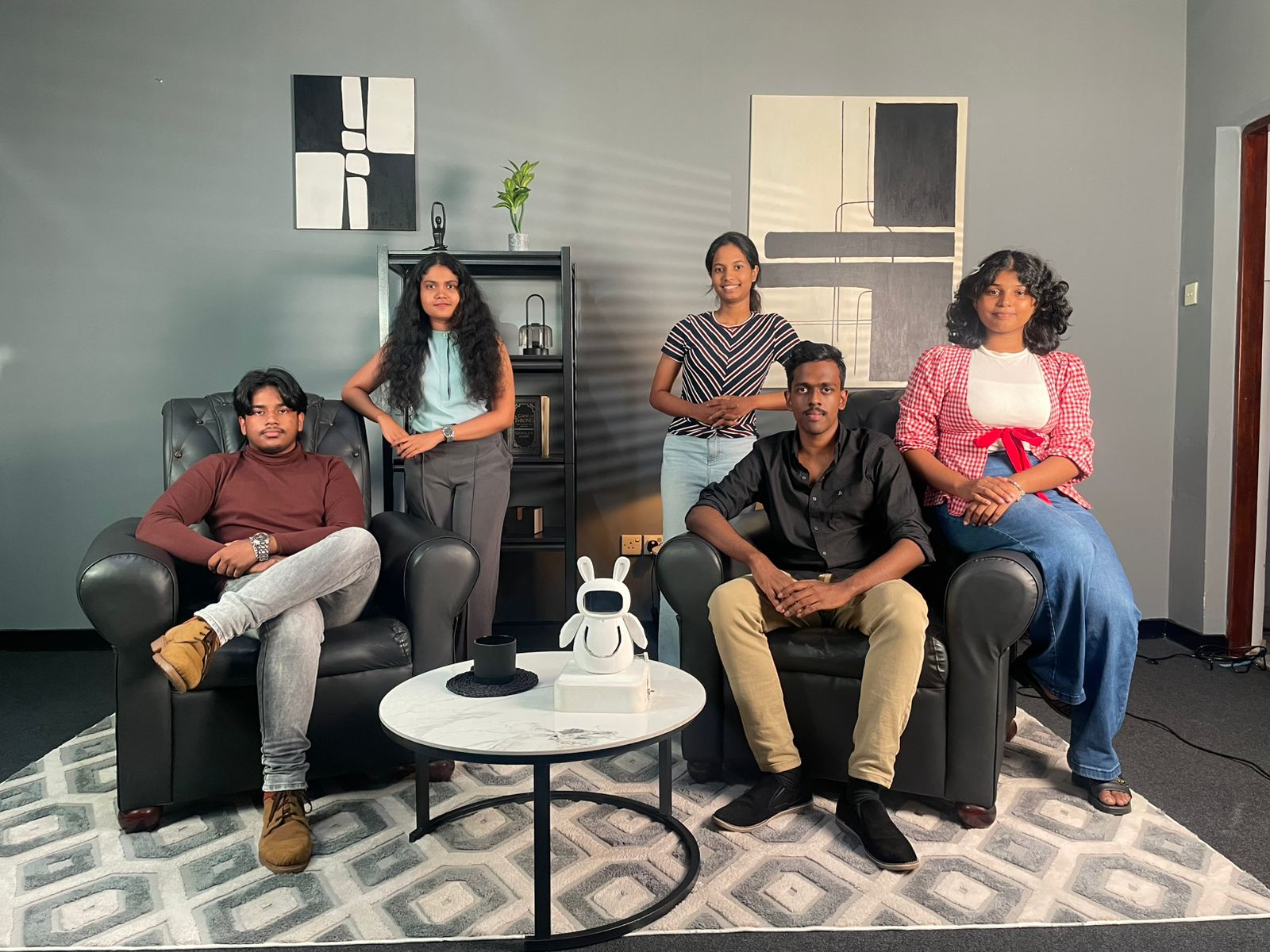
It began as a simple thought what if we could build something meaningful instead of just another project? At that point, we didn’t know what Hazel would become. We just knew we had to start.
From random thoughts to a direction
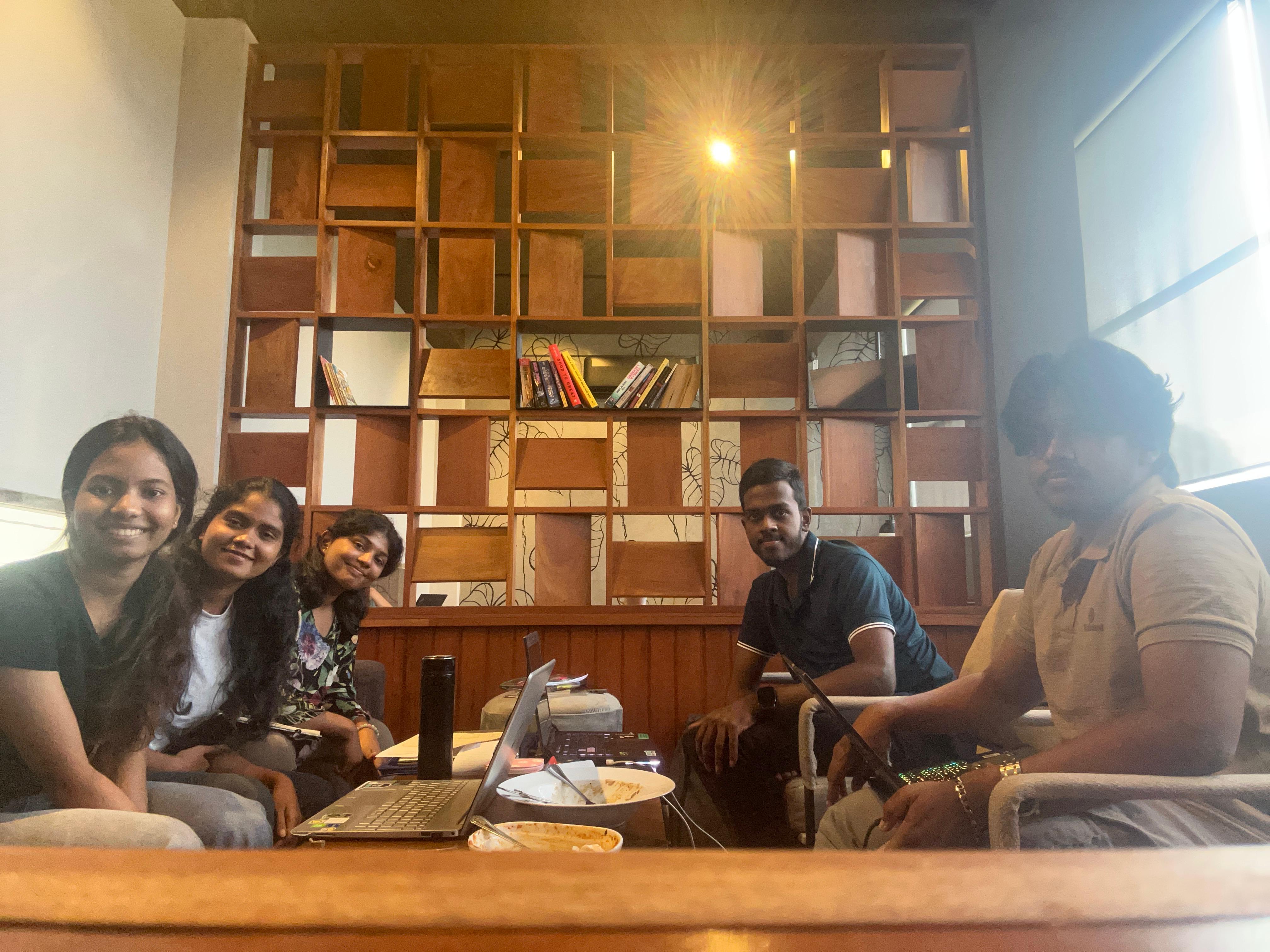
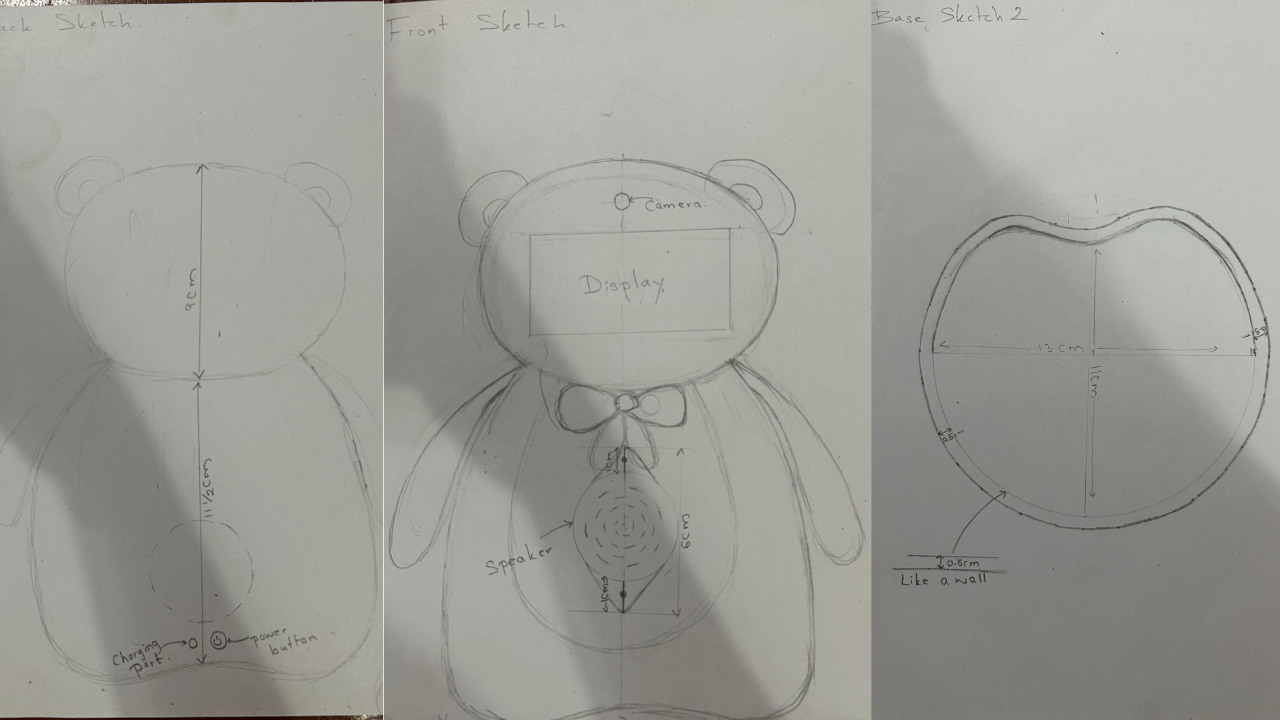
Ideas were everywhere. None of them made complete sense. But slowly, through conversations and debates, something started to take shape, Project Hazel.
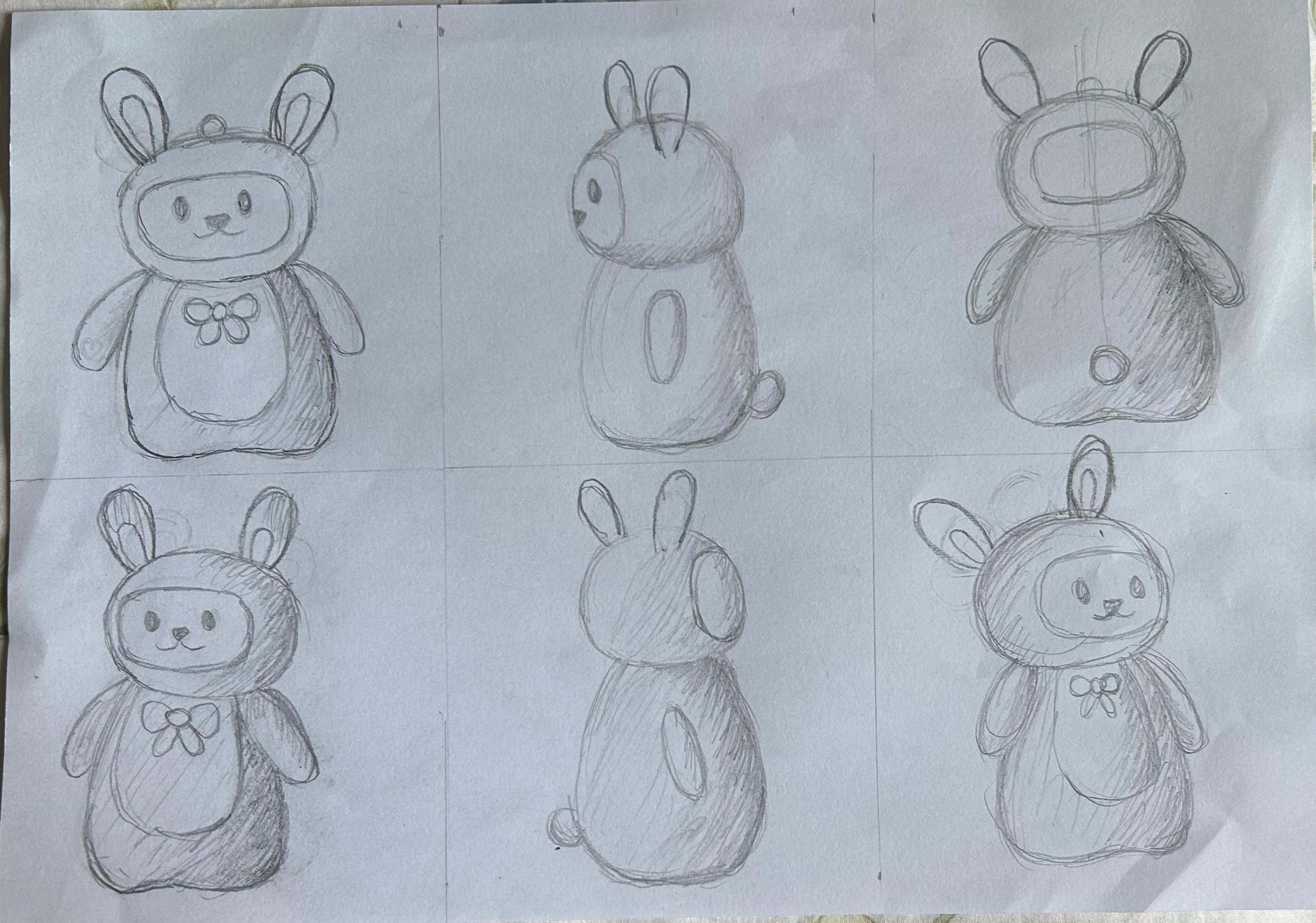
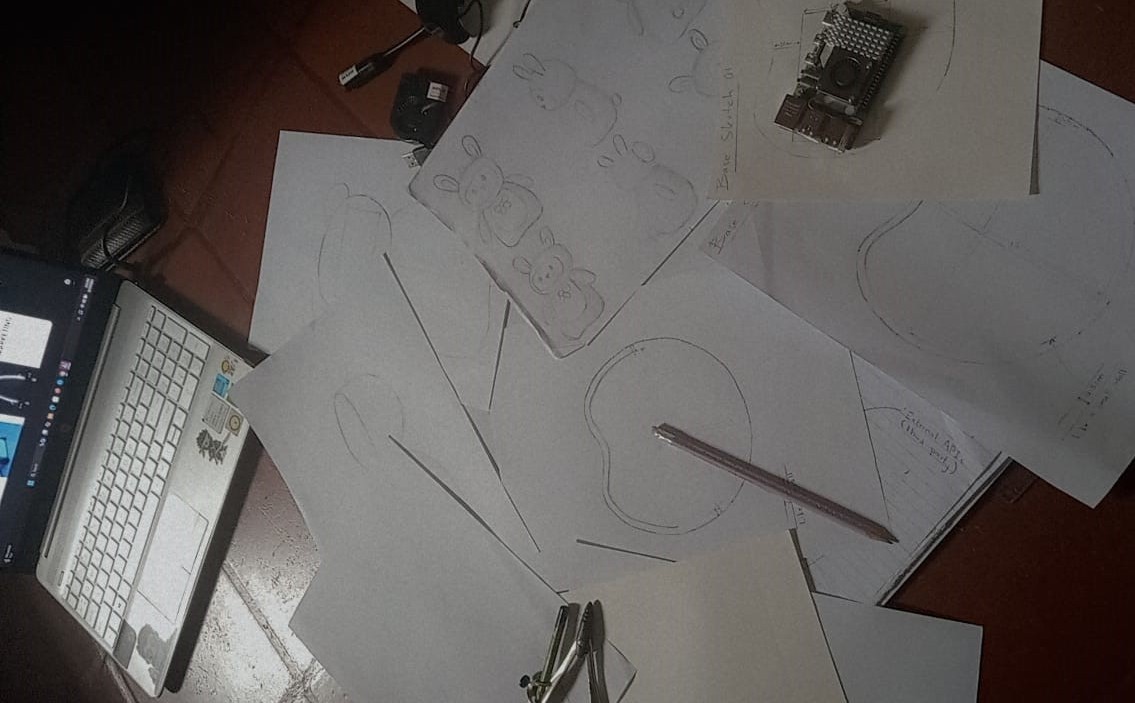
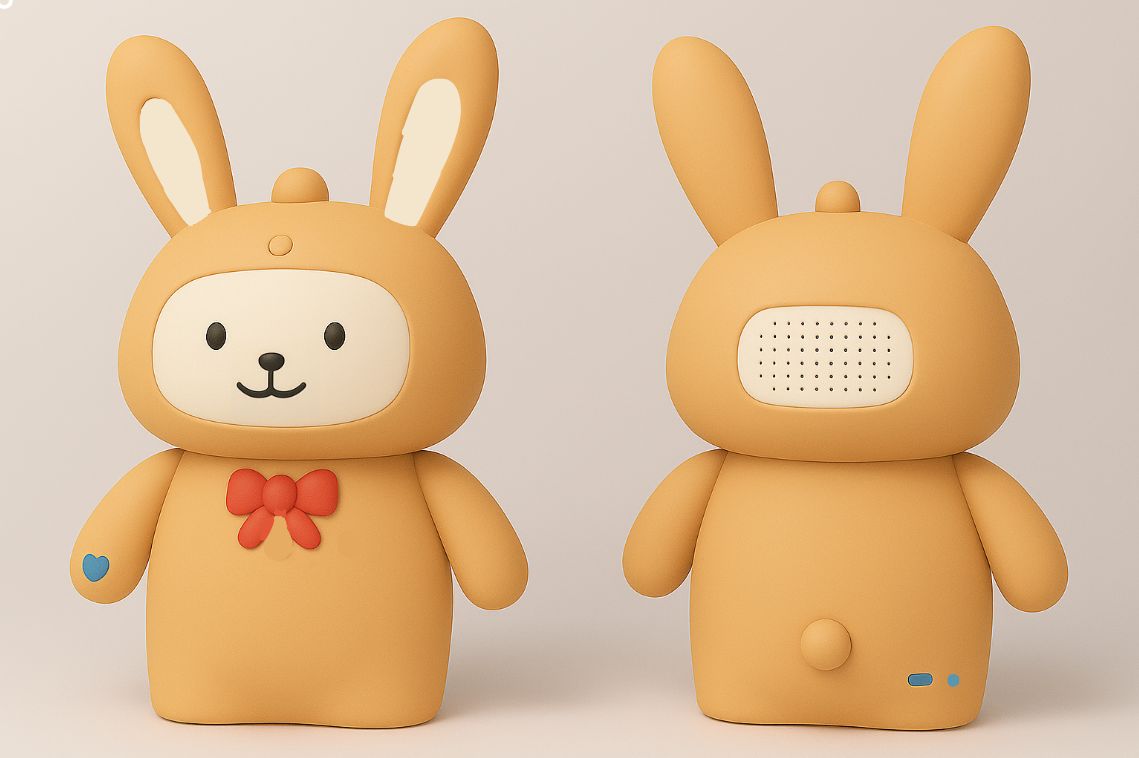
Bringing Hazel to Life
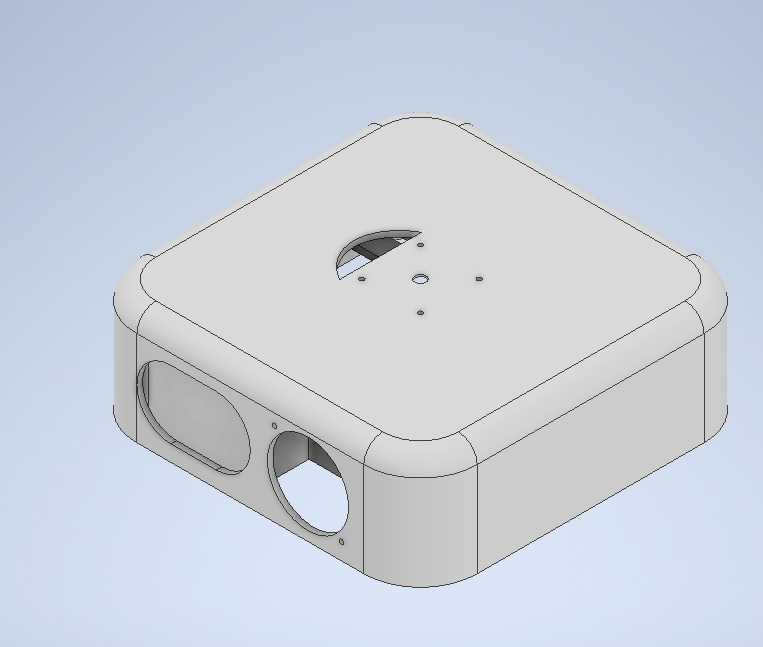
Behind Hazel’s physical form is Mr. Heliya Suriya Bandara, who led the 3D design and printing of the robot. Working closely with our team, he played a big role in shaping how Hazel looks and feels. Through many discussions and iterations with our team lead, he helped turn our ideas into a real, interactive device. Together, they balanced form, durability, and functionality — bringing Hazel’s vision to life.
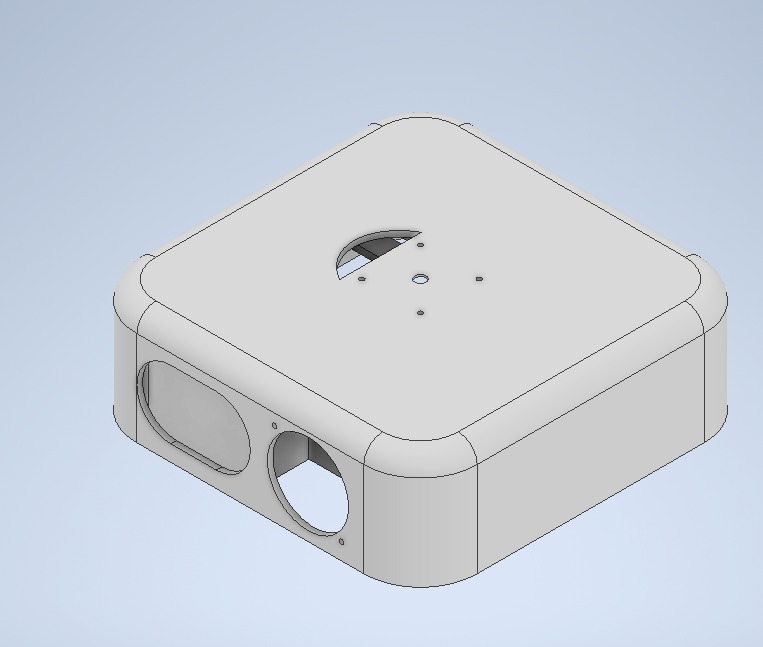
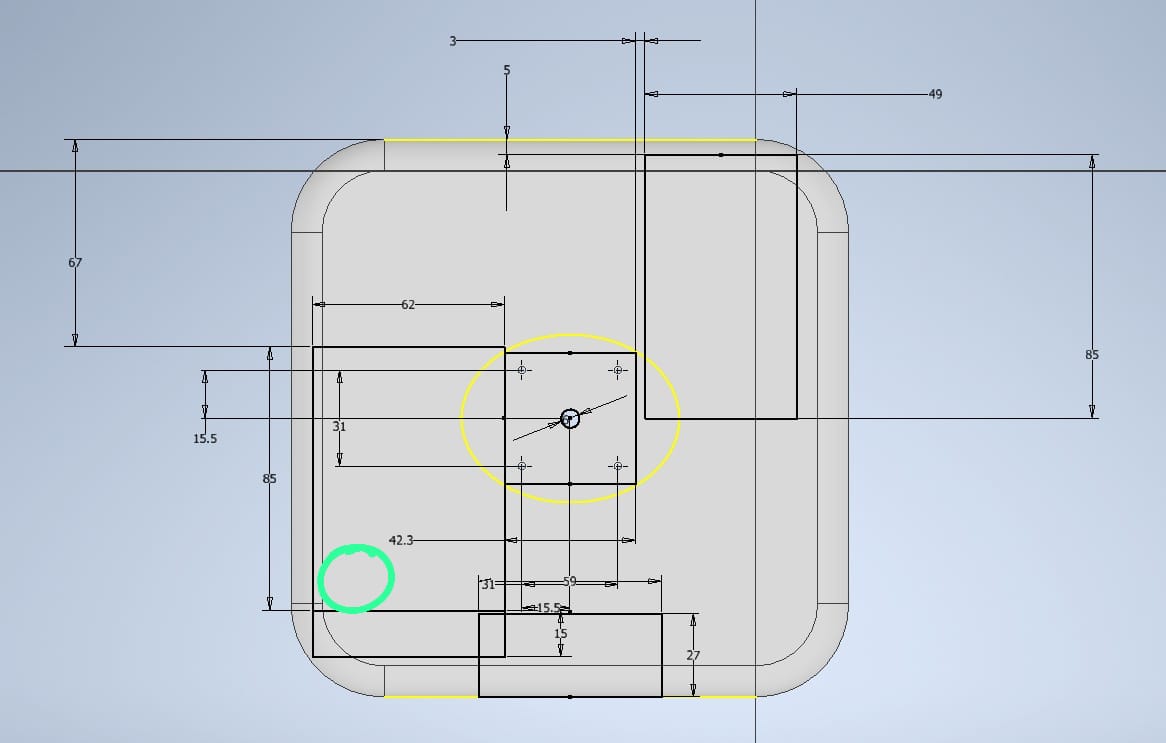
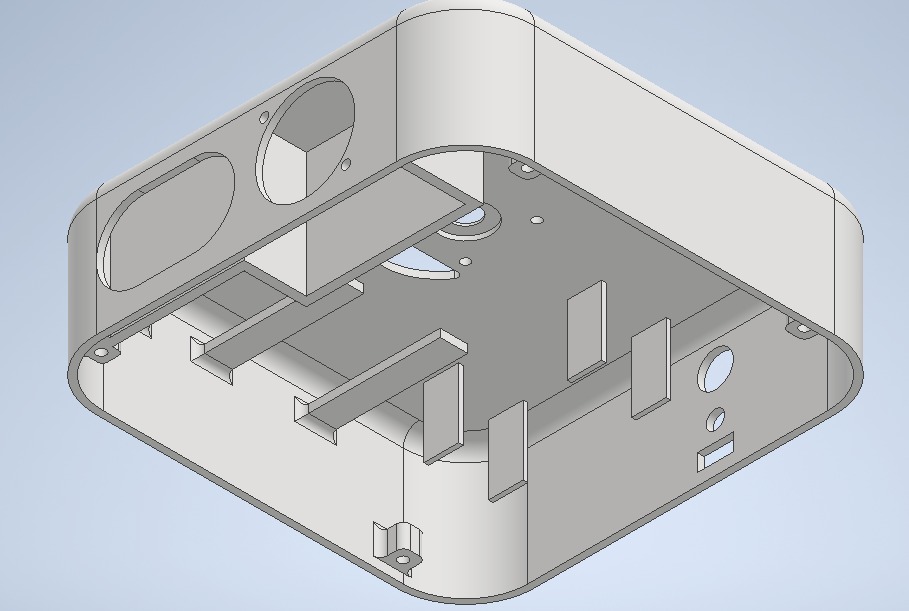
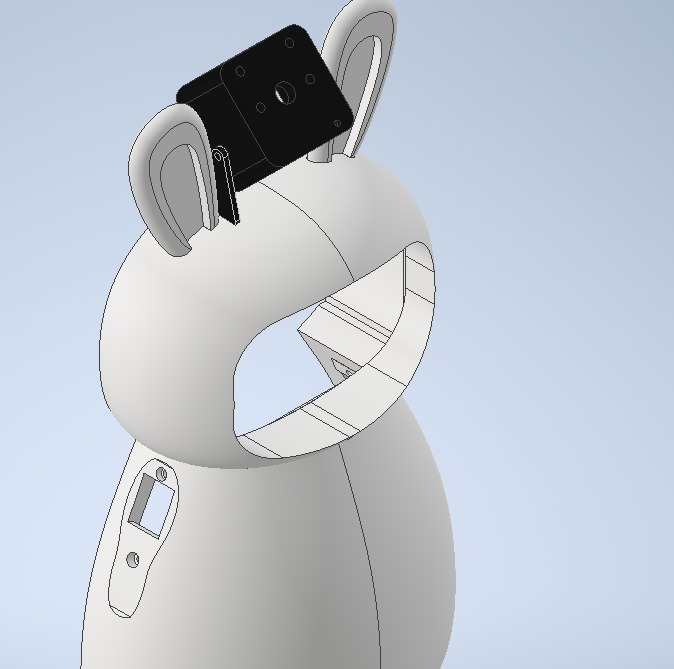
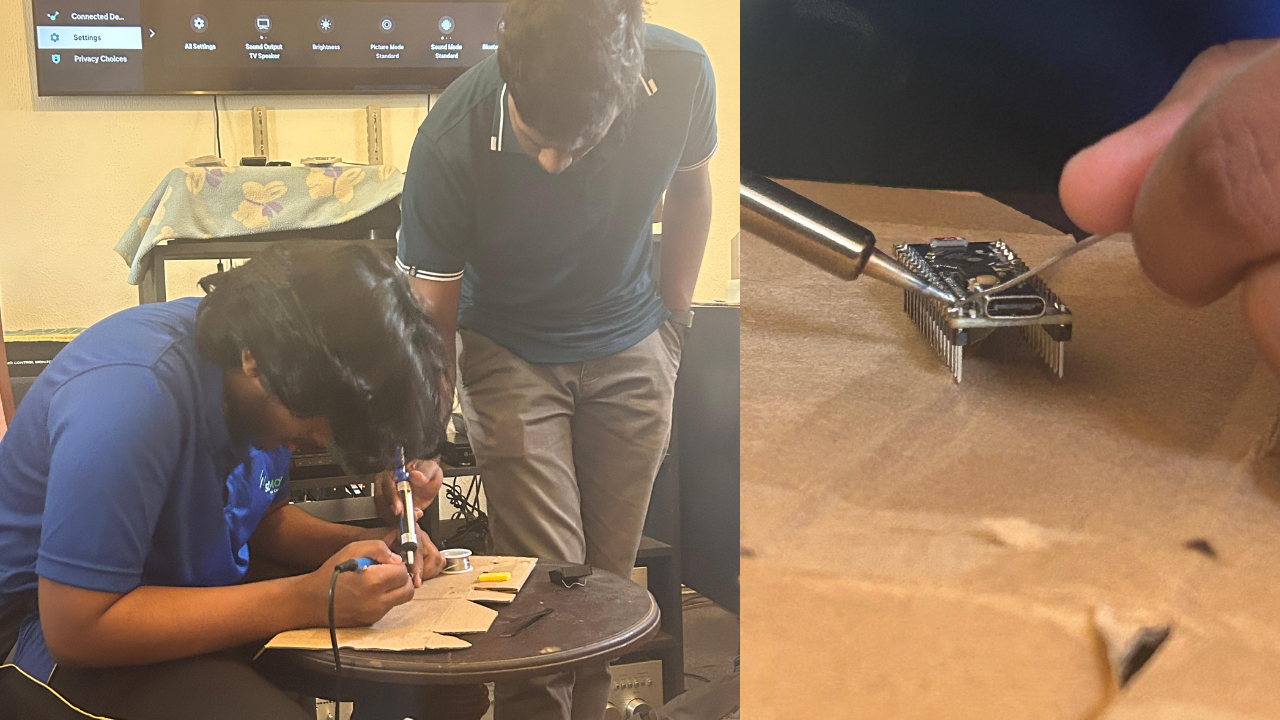
We finally started building
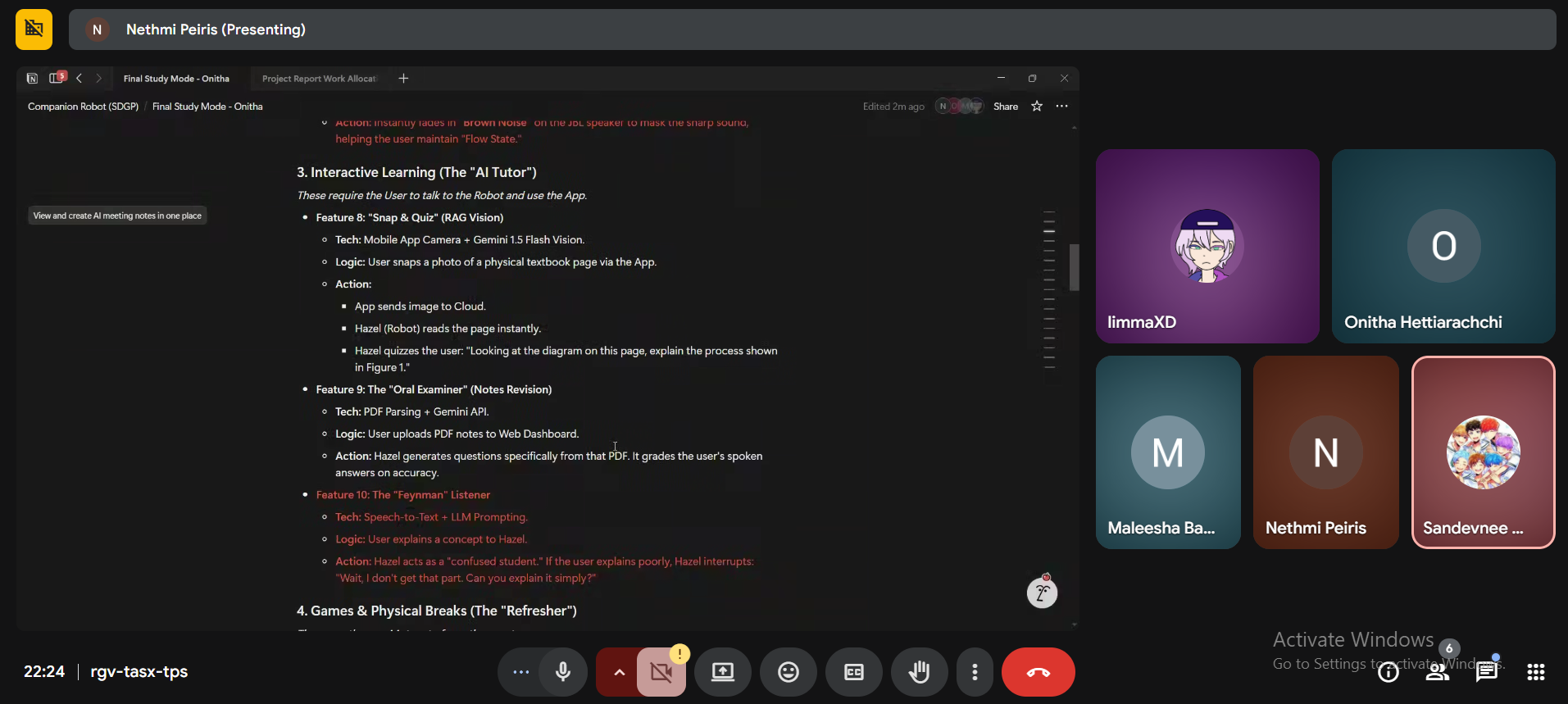
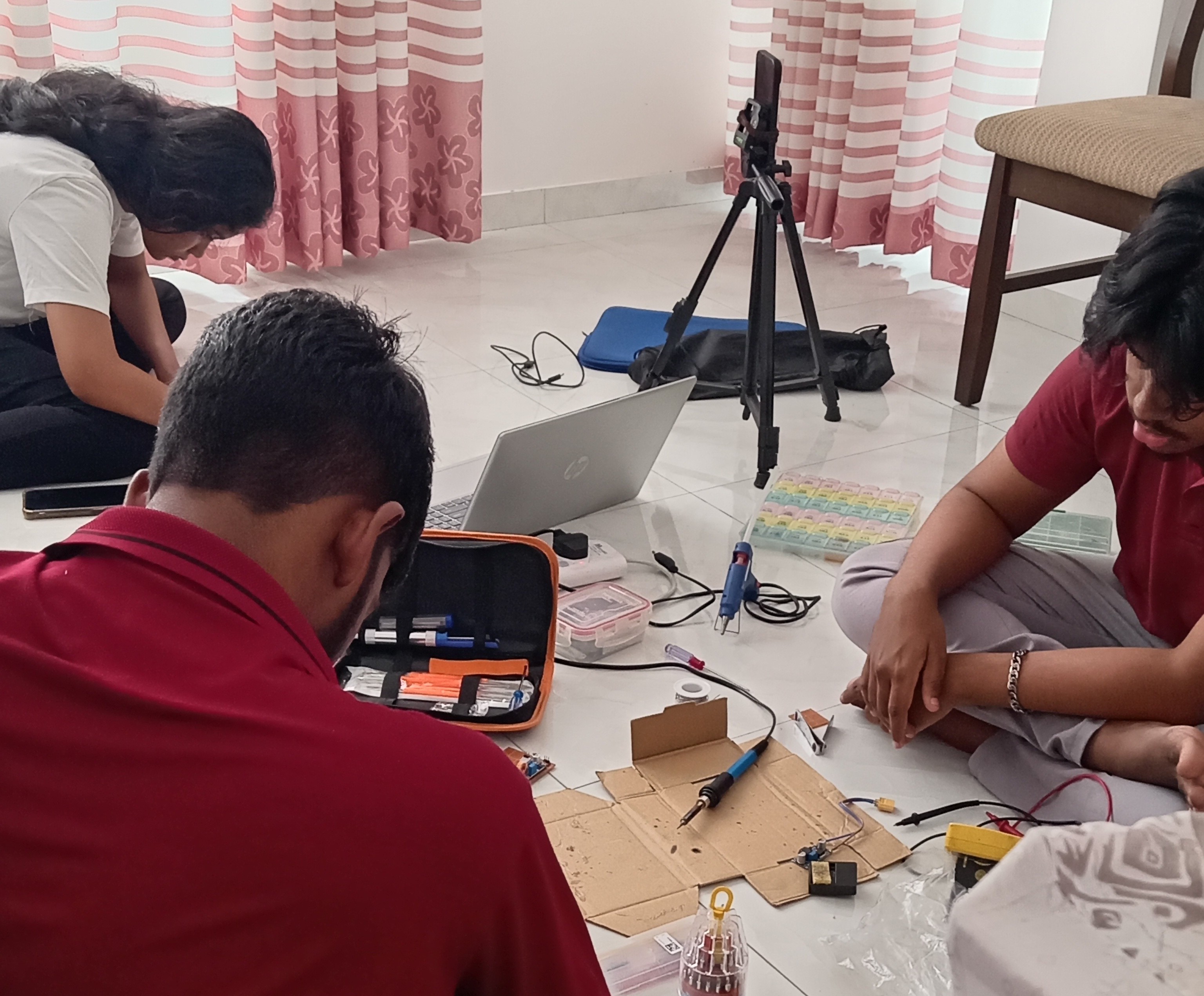
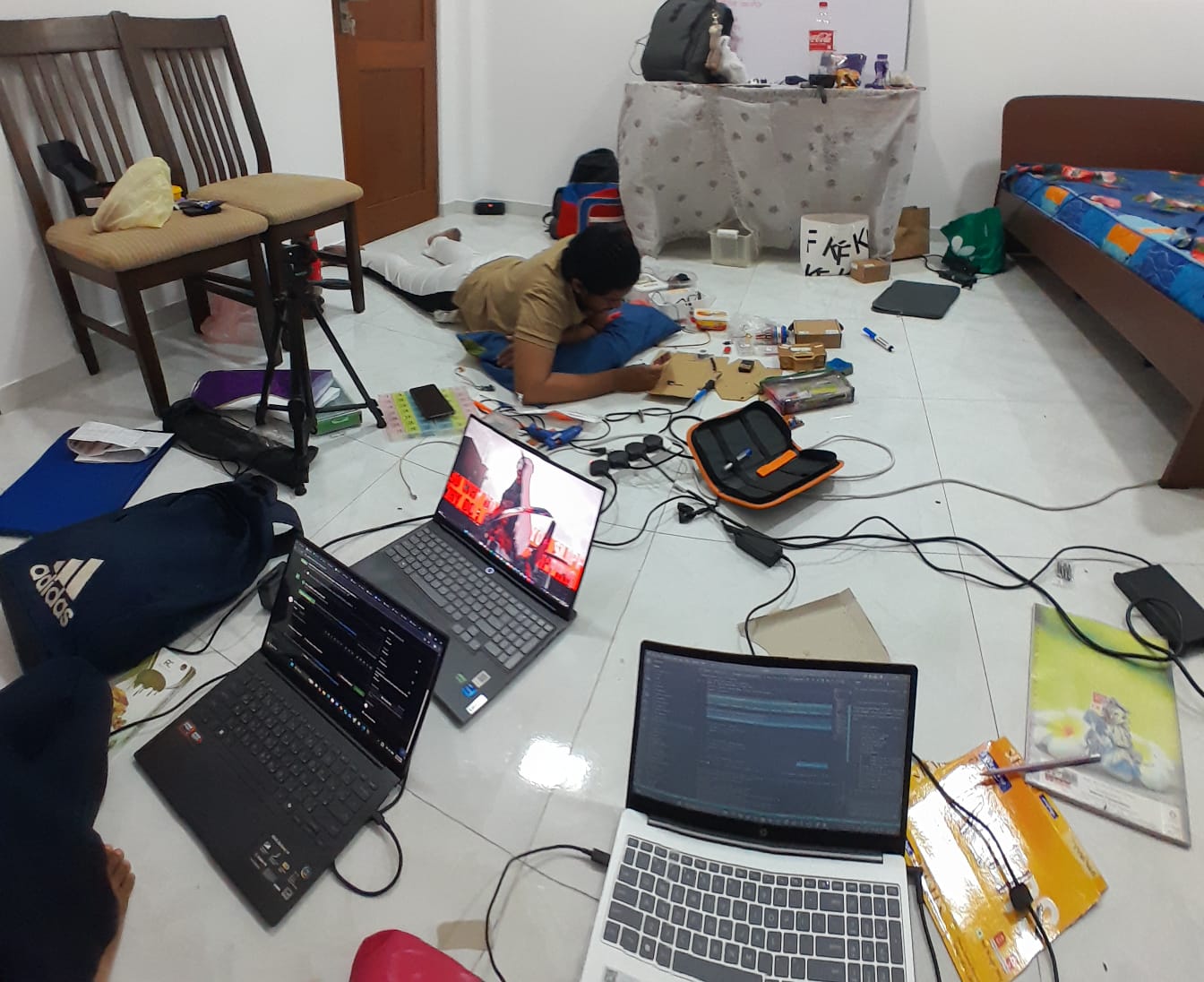
Messy code. Broken logic. Nothing worked the way we expected. But this was the moment we stopped thinking and started doing.
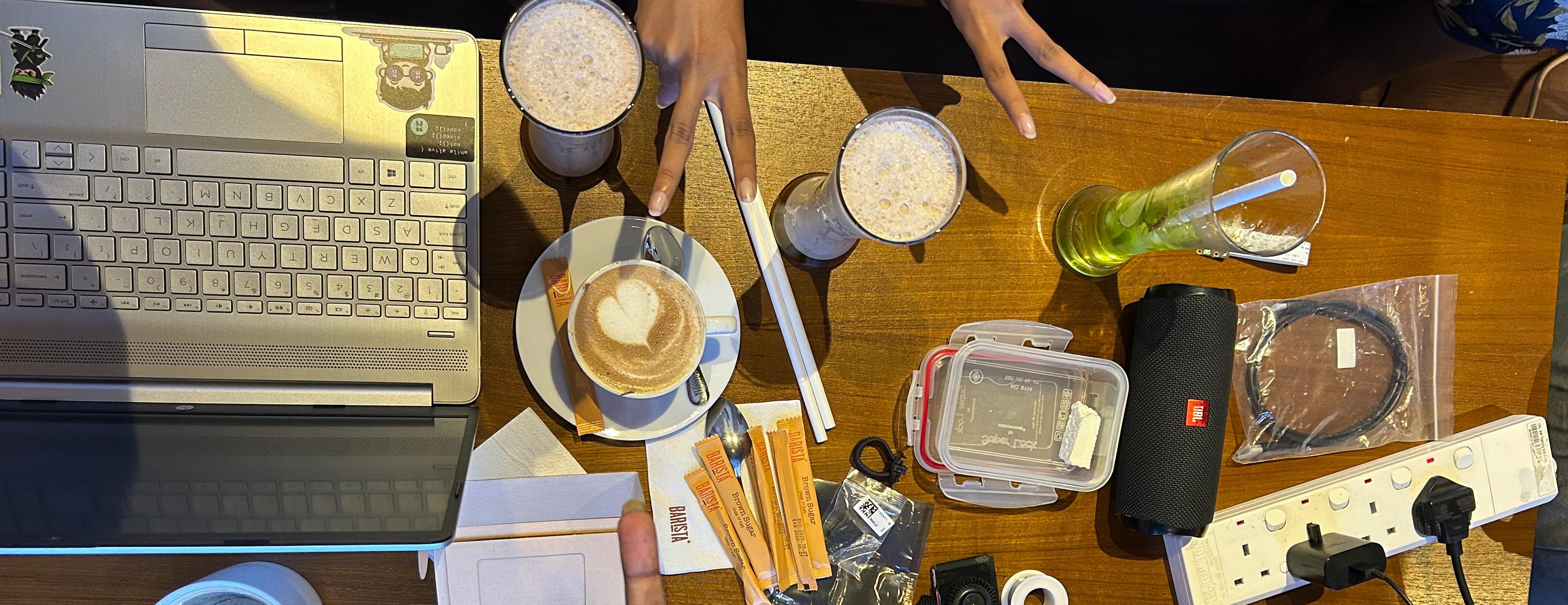
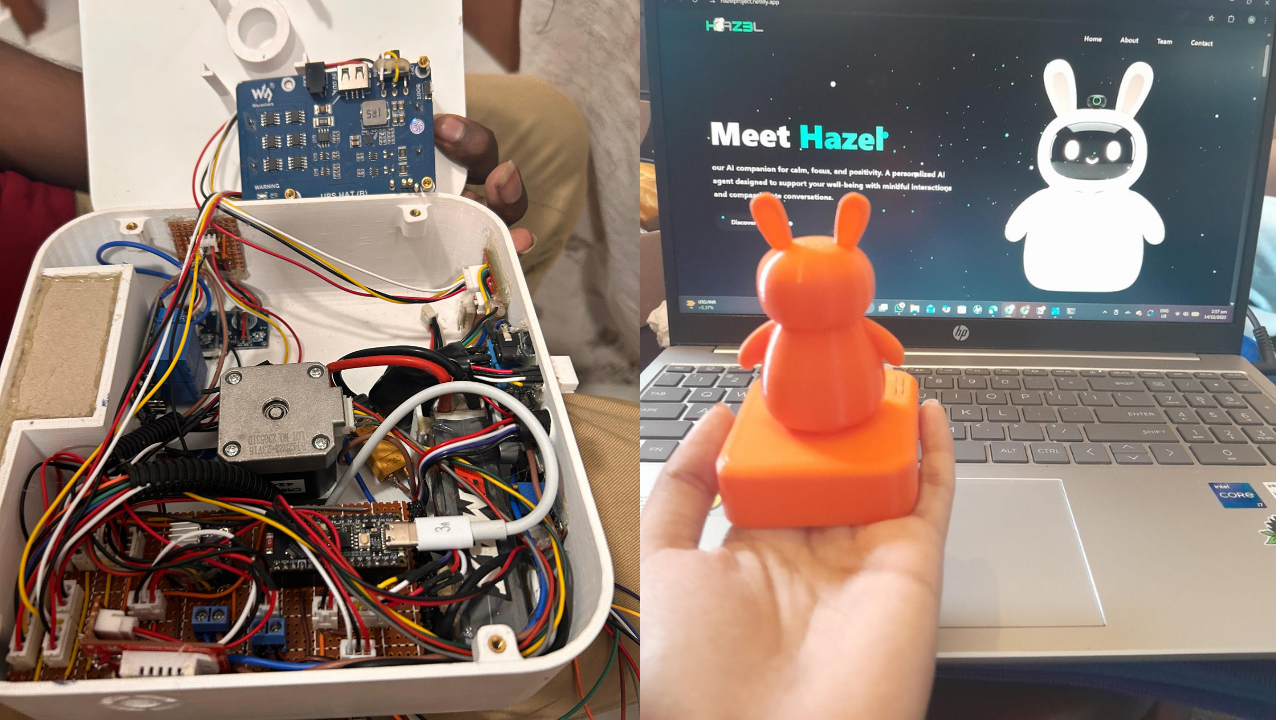
The robot was bigger than we expected
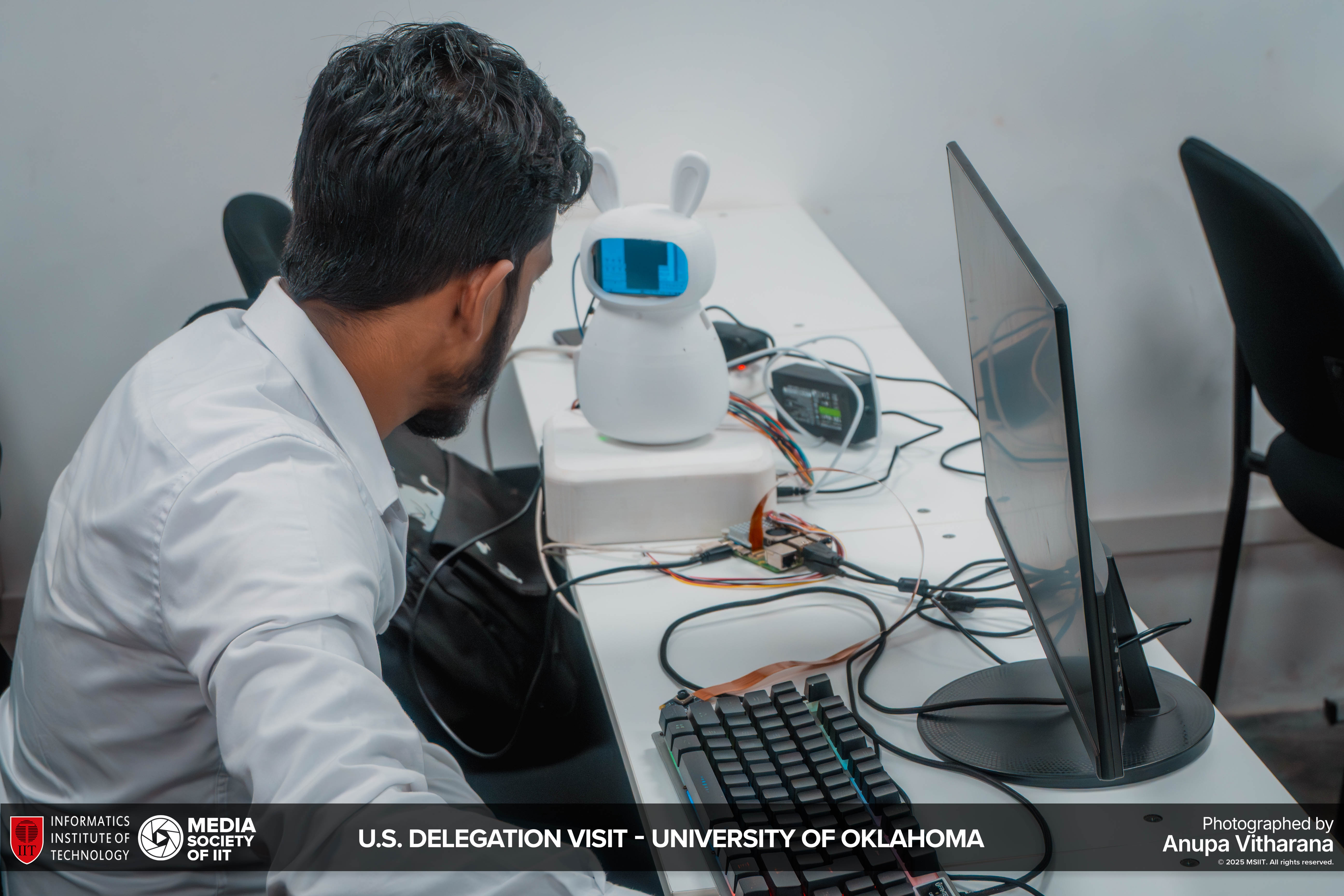
The hardware changed everything. Wires, sensors, space issues nothing fit the way we planned. What looked simple on paper became one of the biggest challenges.
First viva, reality check
Standing there explaining our work made us realise how much we didn’t know. It wasn’t perfect, but it was real. That was enough to keep going.
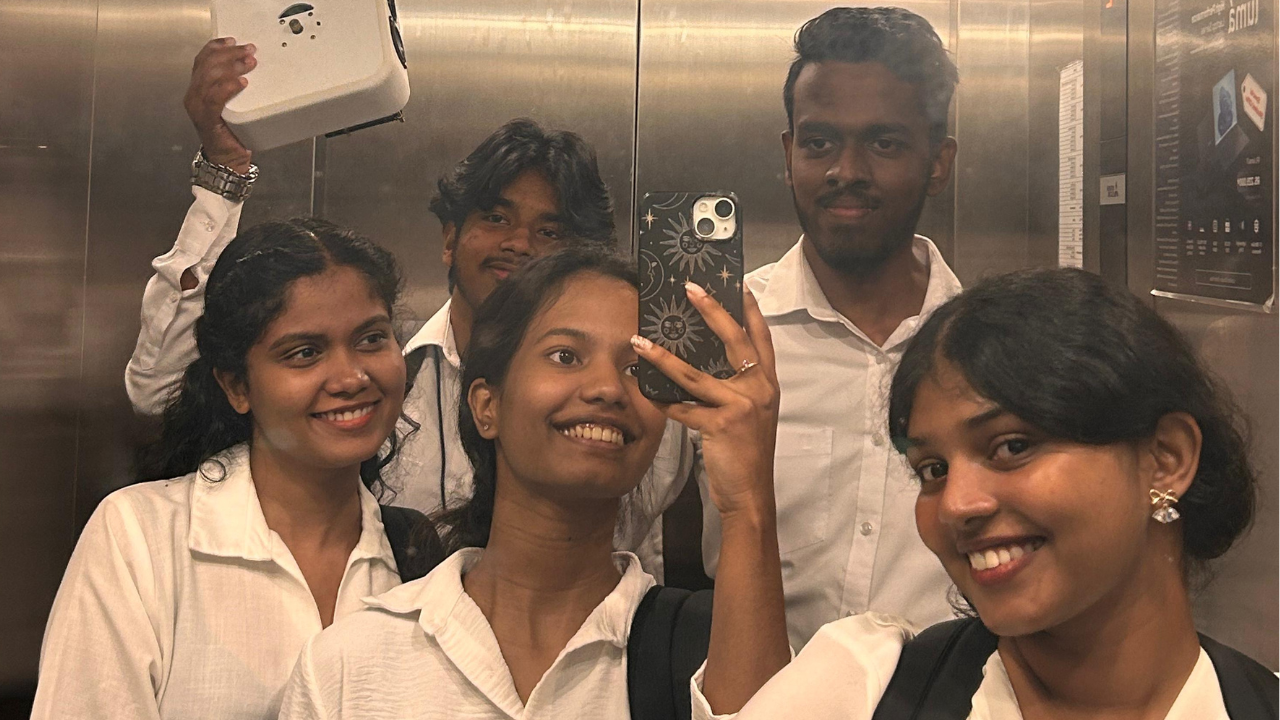
An opportunity beyond expectations
We got the chance to pitch Project Hazel to US delegates. Excitement, nerves, and preparation all came together in that moment. It felt unreal to present something we built from scratch on such a stage.
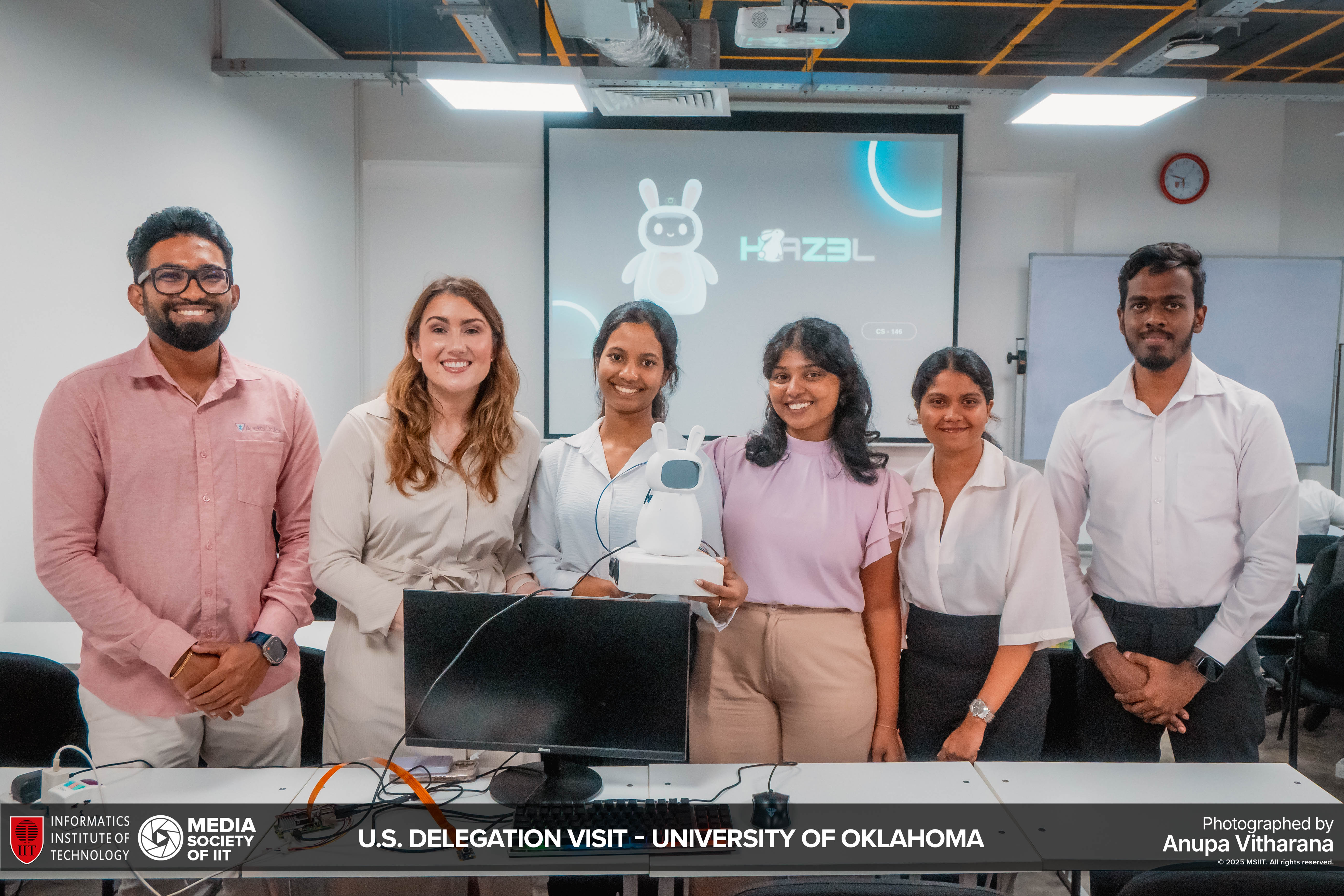
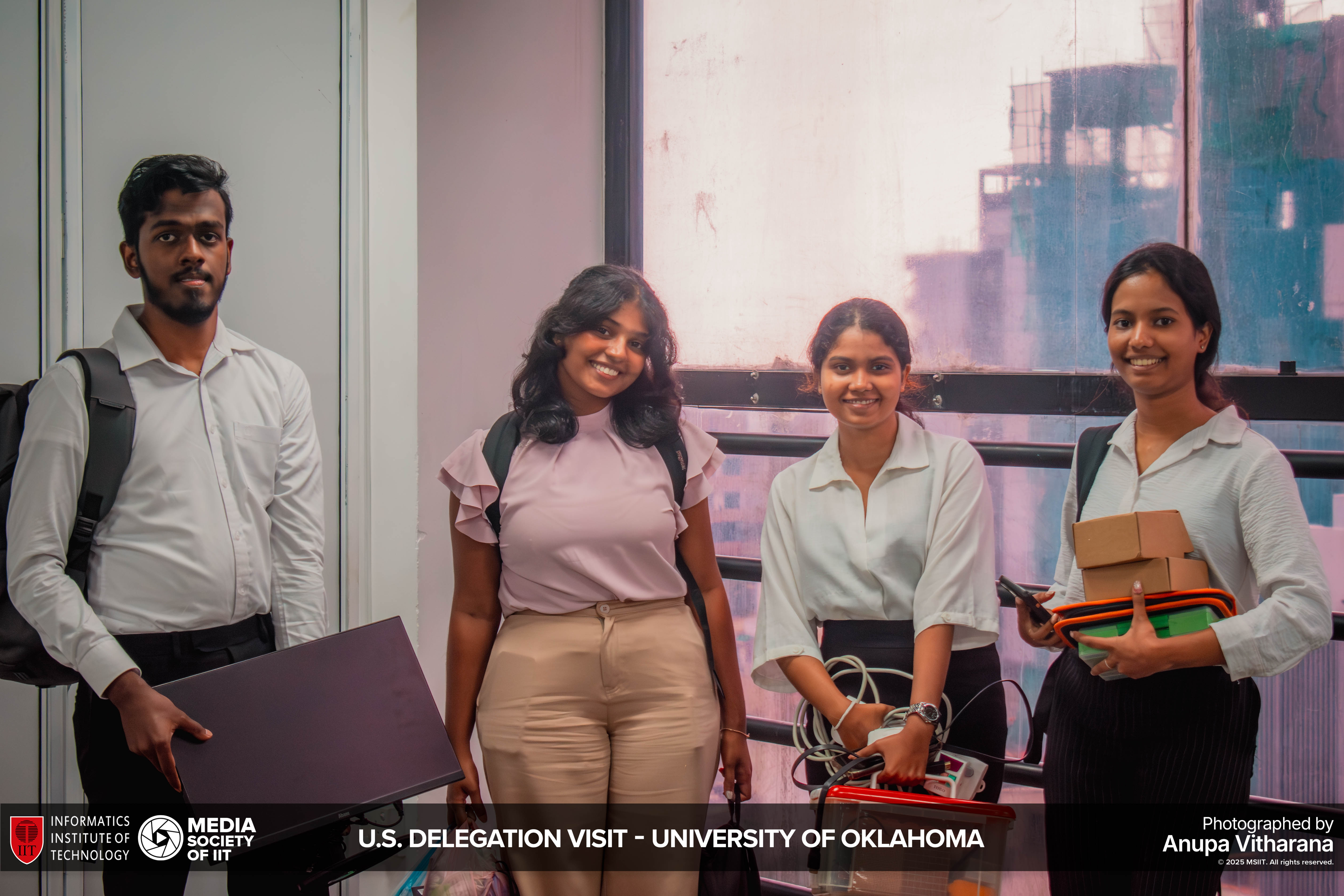
The people who helped us move forward
Behind everything we built, there was guidance that kept us on track. Special thanks to our supervisor Mr. Sanjula and the SDGP module leader Mr. Banuka Athuraliya for their support, advice, and belief in our work. This journey would not have been the same without them.
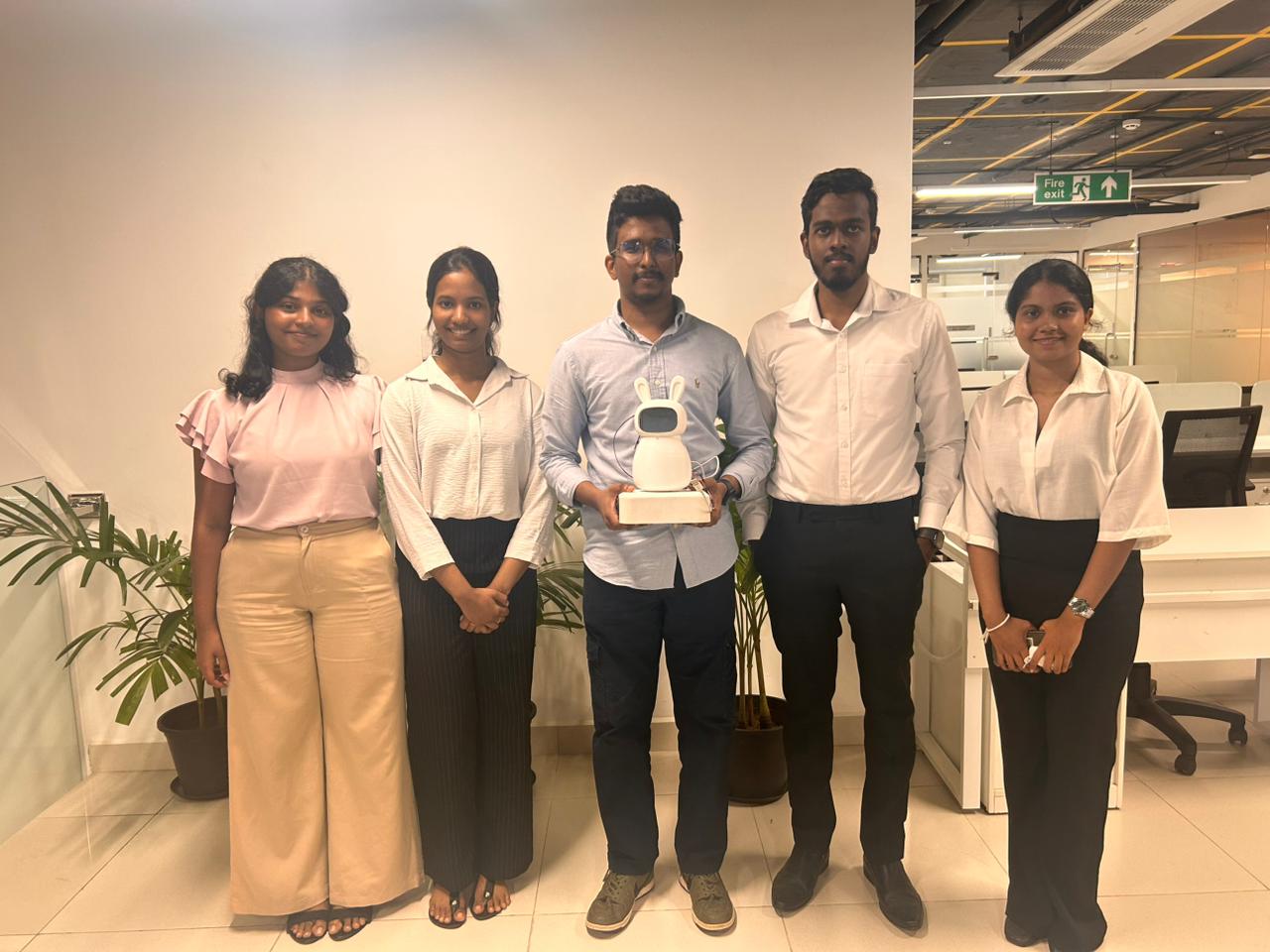
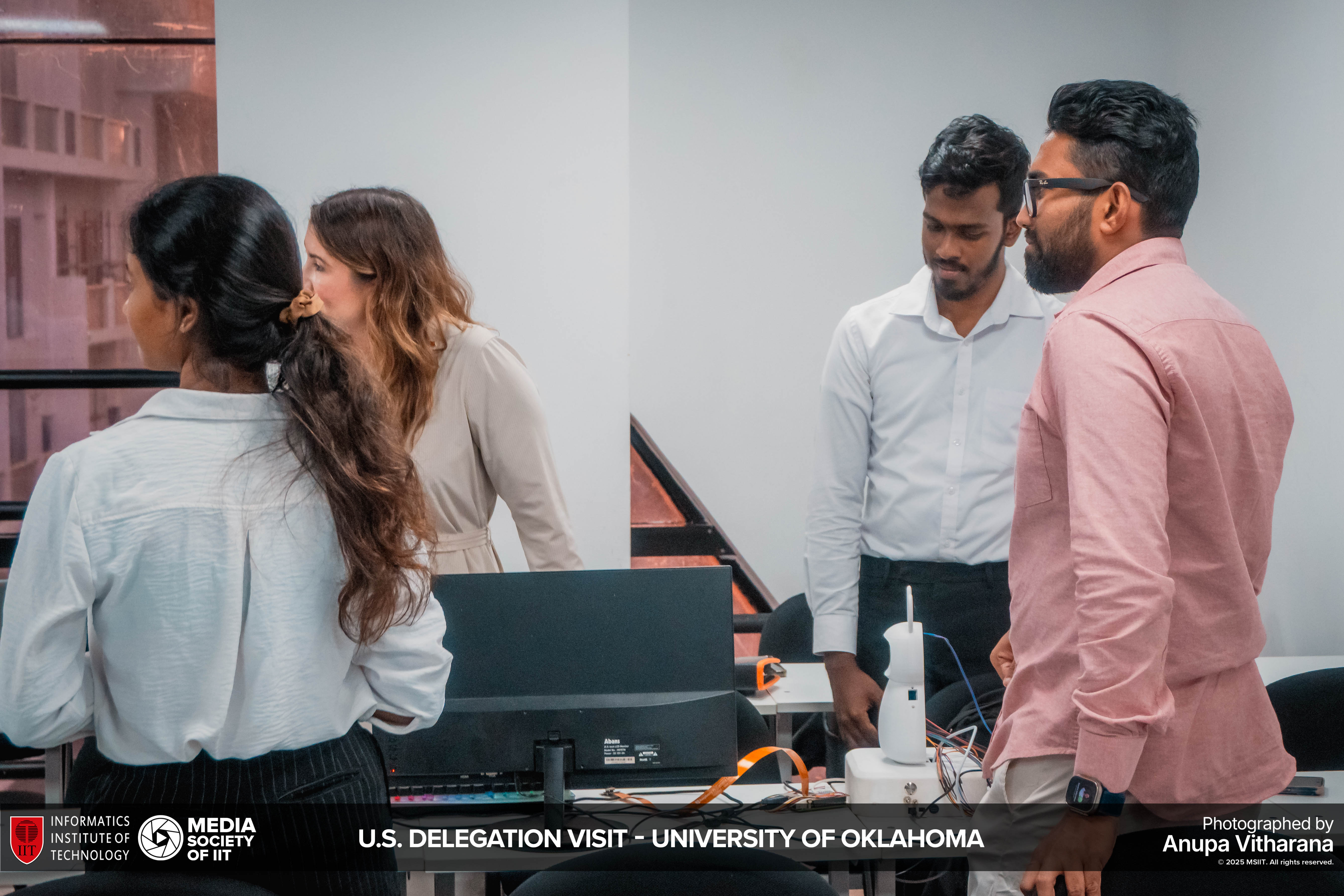

We started taking it seriously
This was the phase where things shifted. Less talking. More execution. We began to see Hazel as something more than just a submission.
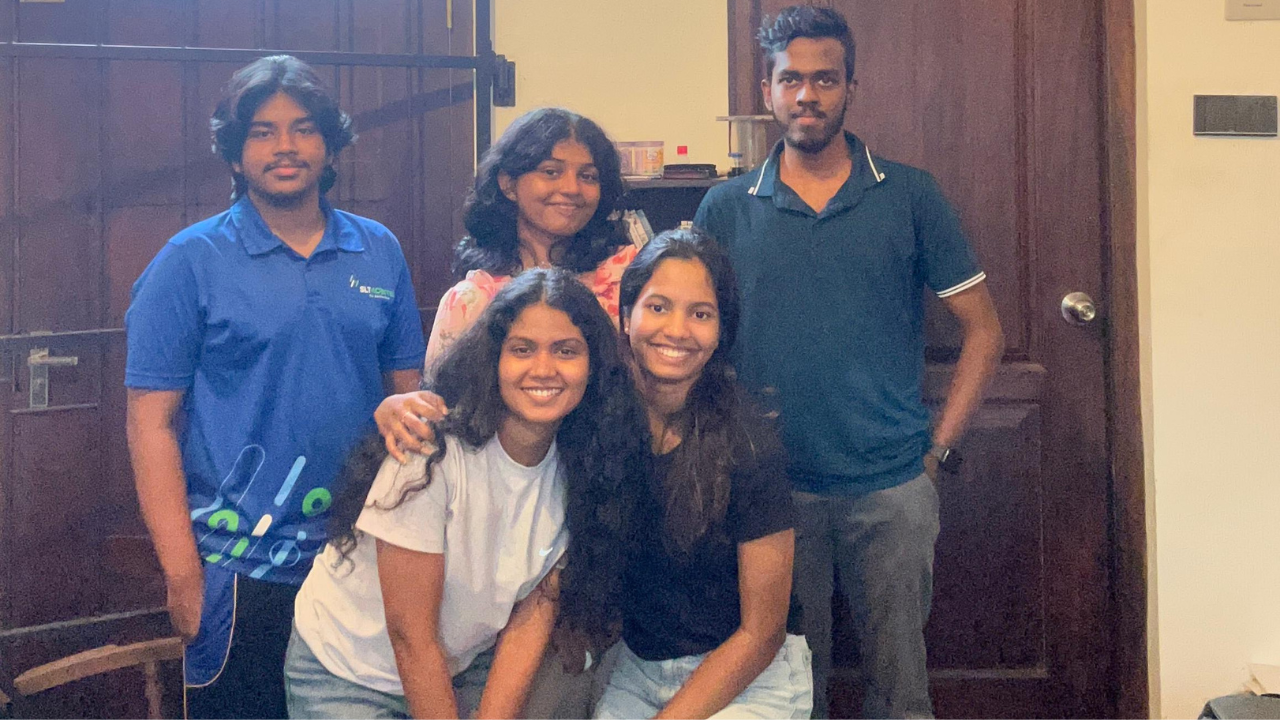
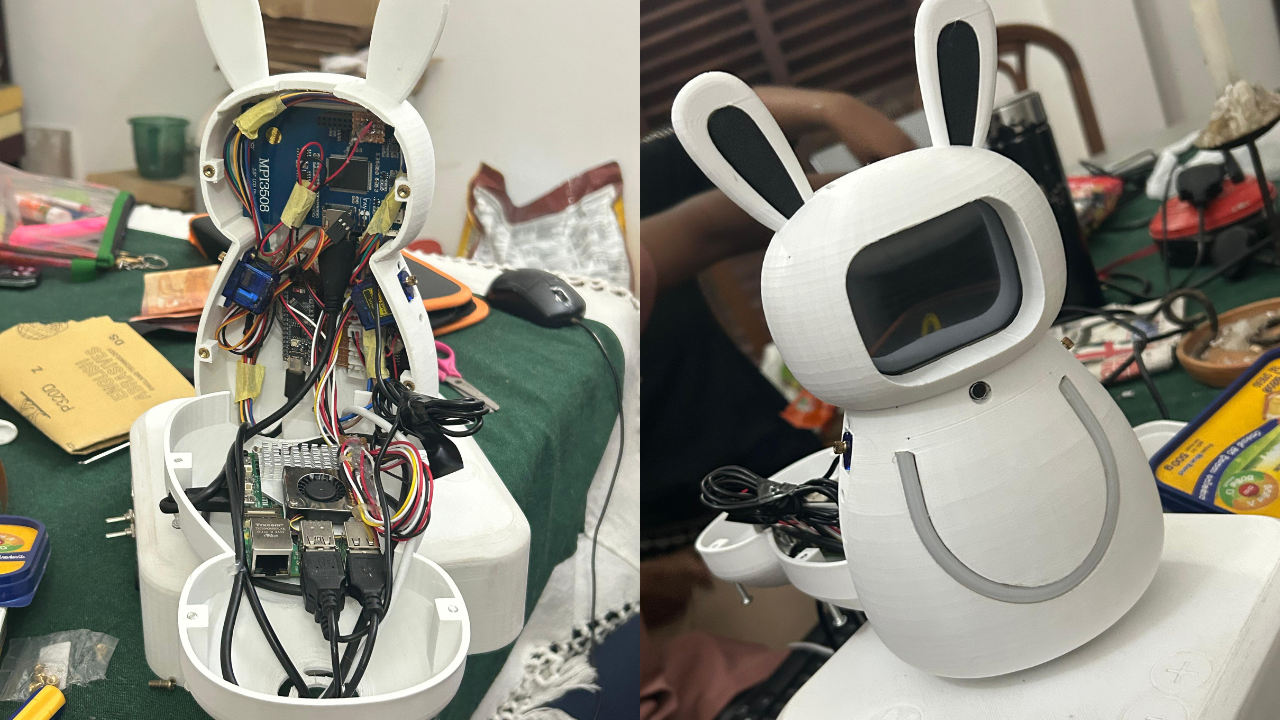
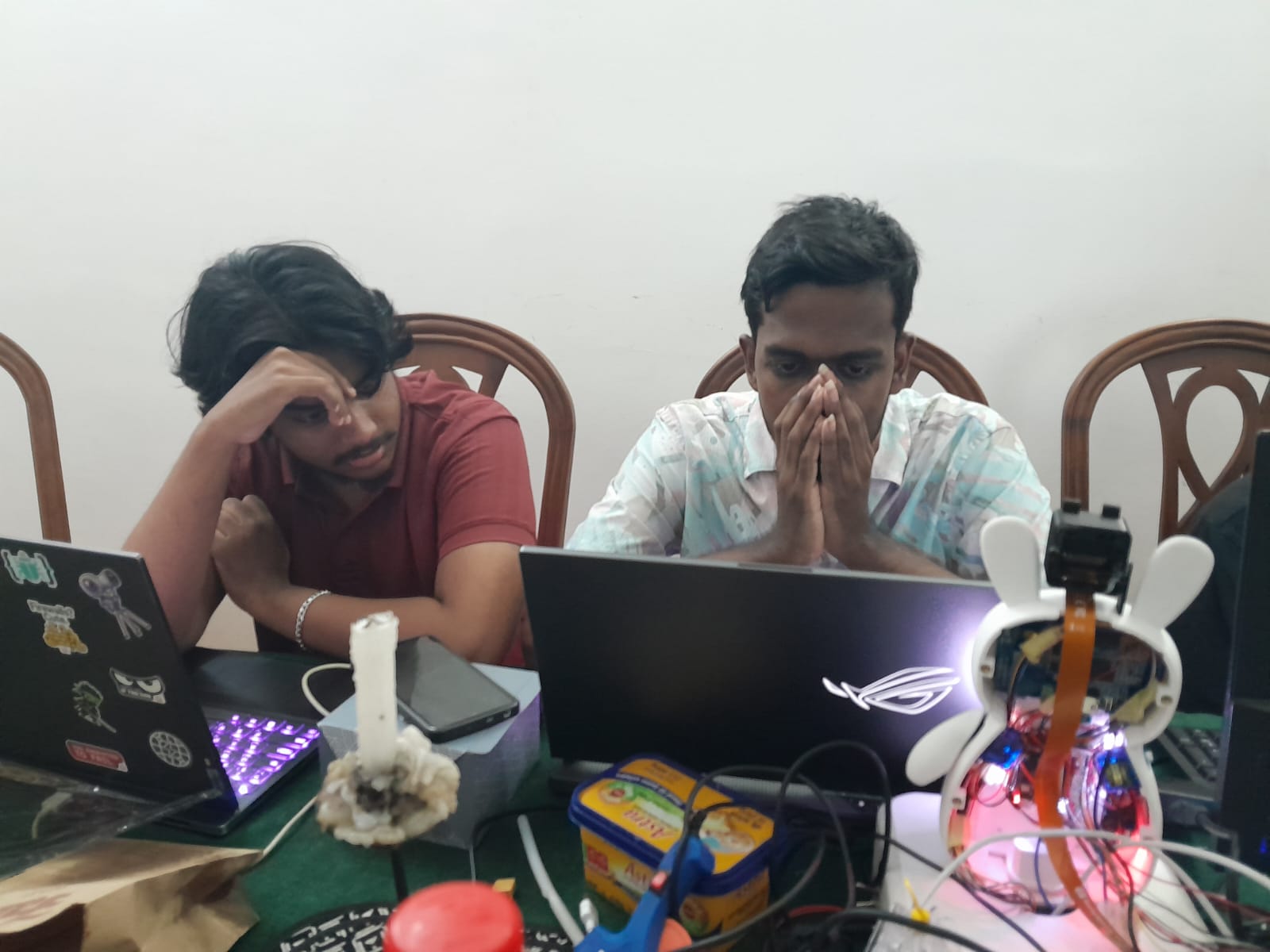
Everything started breaking
Bugs. Delays. Hardware issues. For every step forward, it felt like we took two steps back. This phase tested our patience the most.
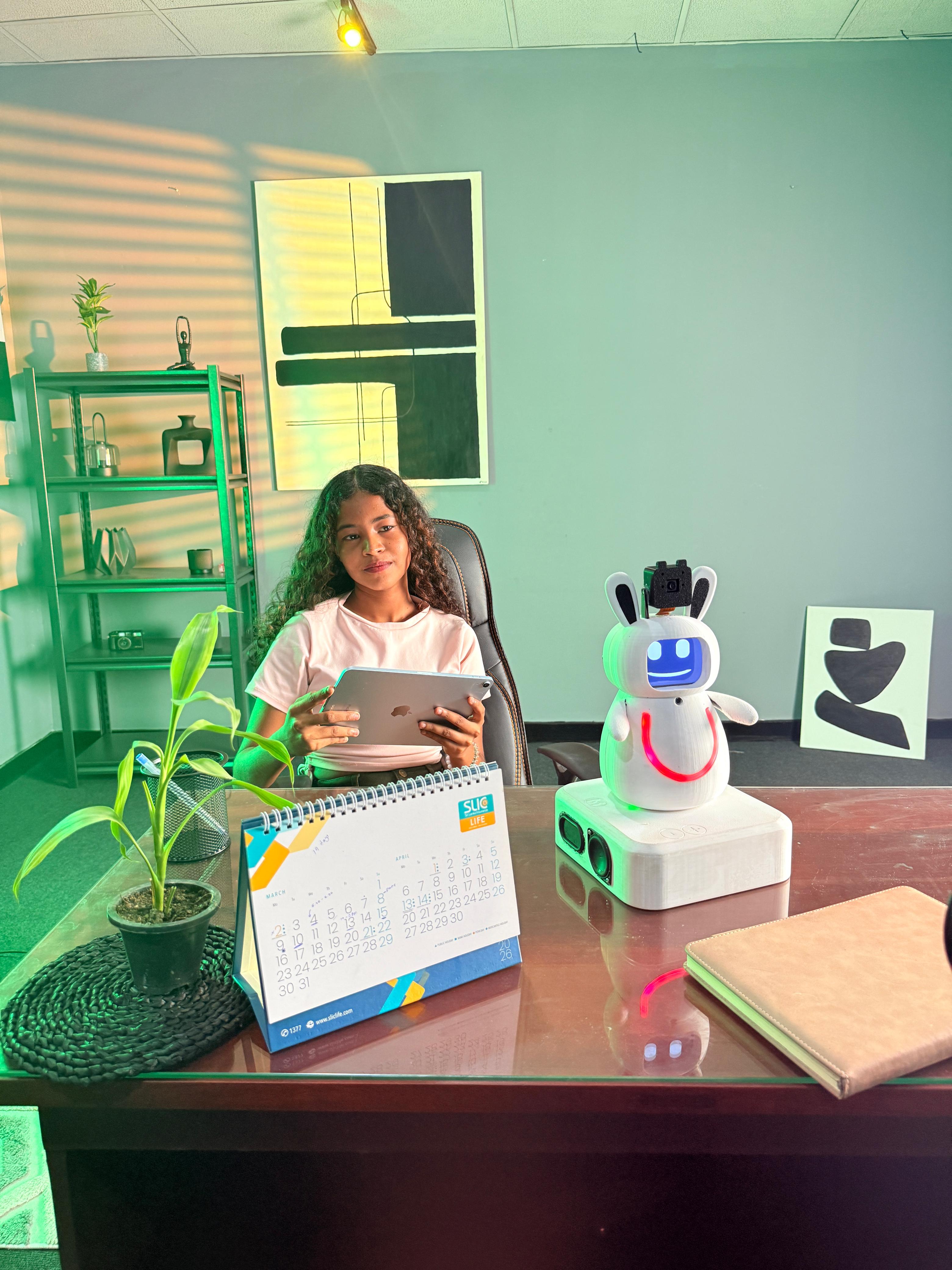
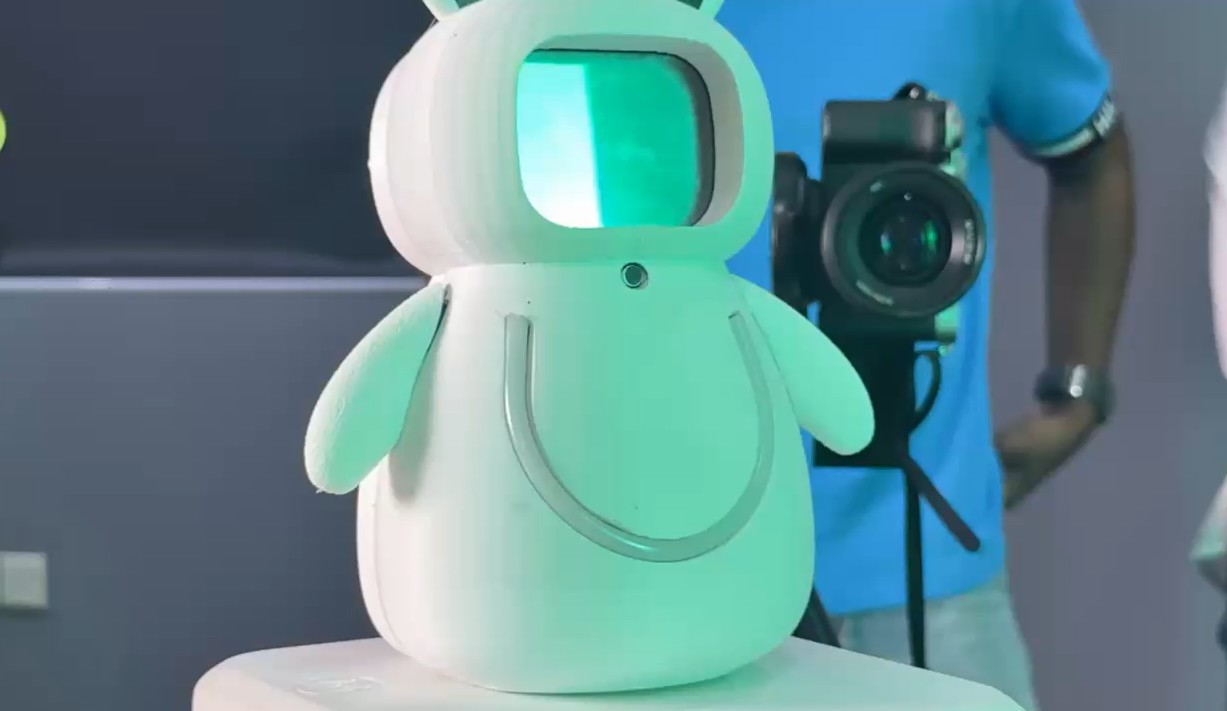
Marketing Phase
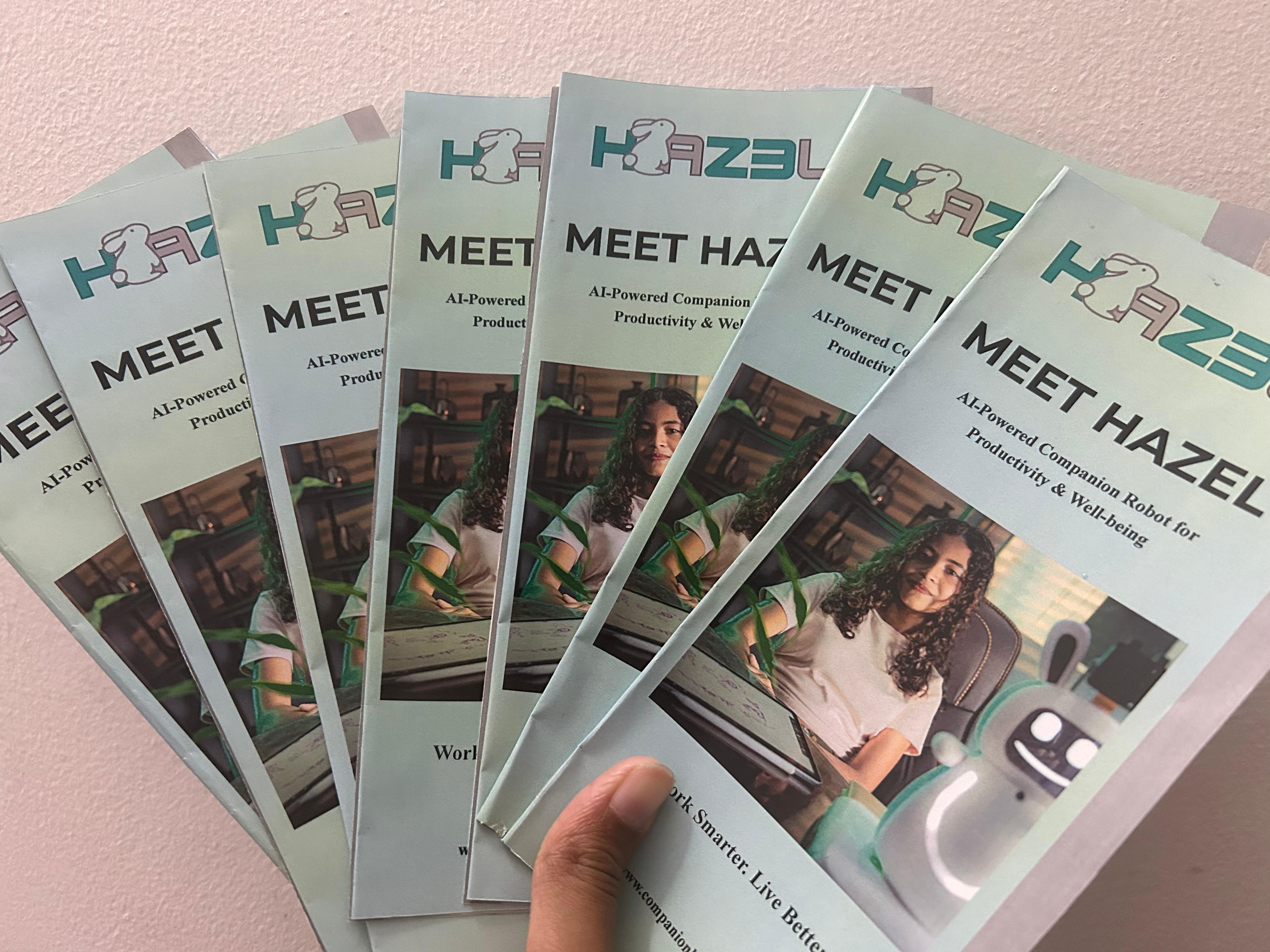
We realised building wasn’t enough — people needed to understand it. So we started thinking beyond code: presentation, storytelling, identity.
Sleep became optional
Deadlines got closer. Pressure got heavier. Most of the real work happened after midnight. Tired, stressed but still moving forward.
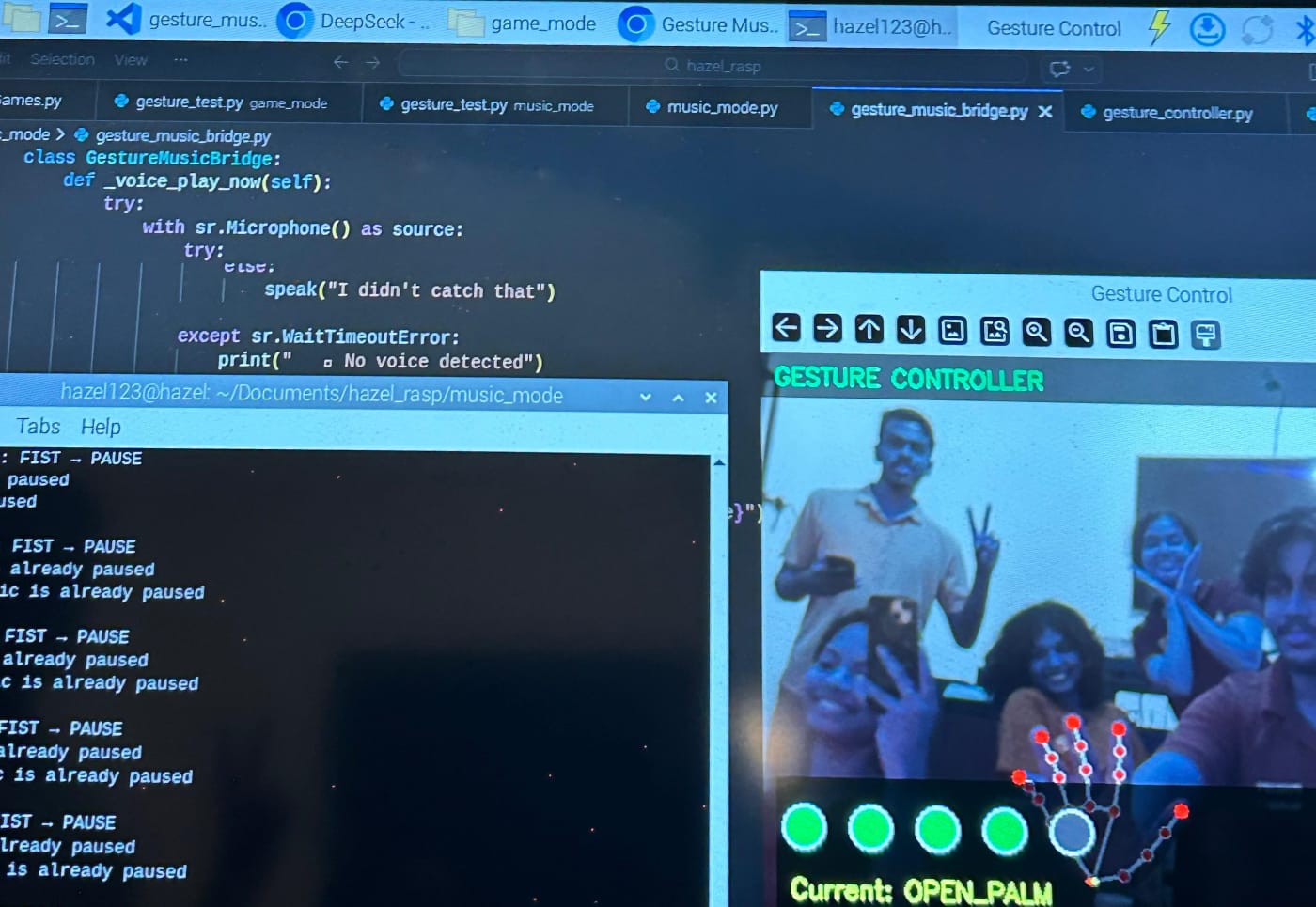

Everything finally connected
For the first time, everything worked as one. Code, hardware, design — all coming together into something real.
How it all finished
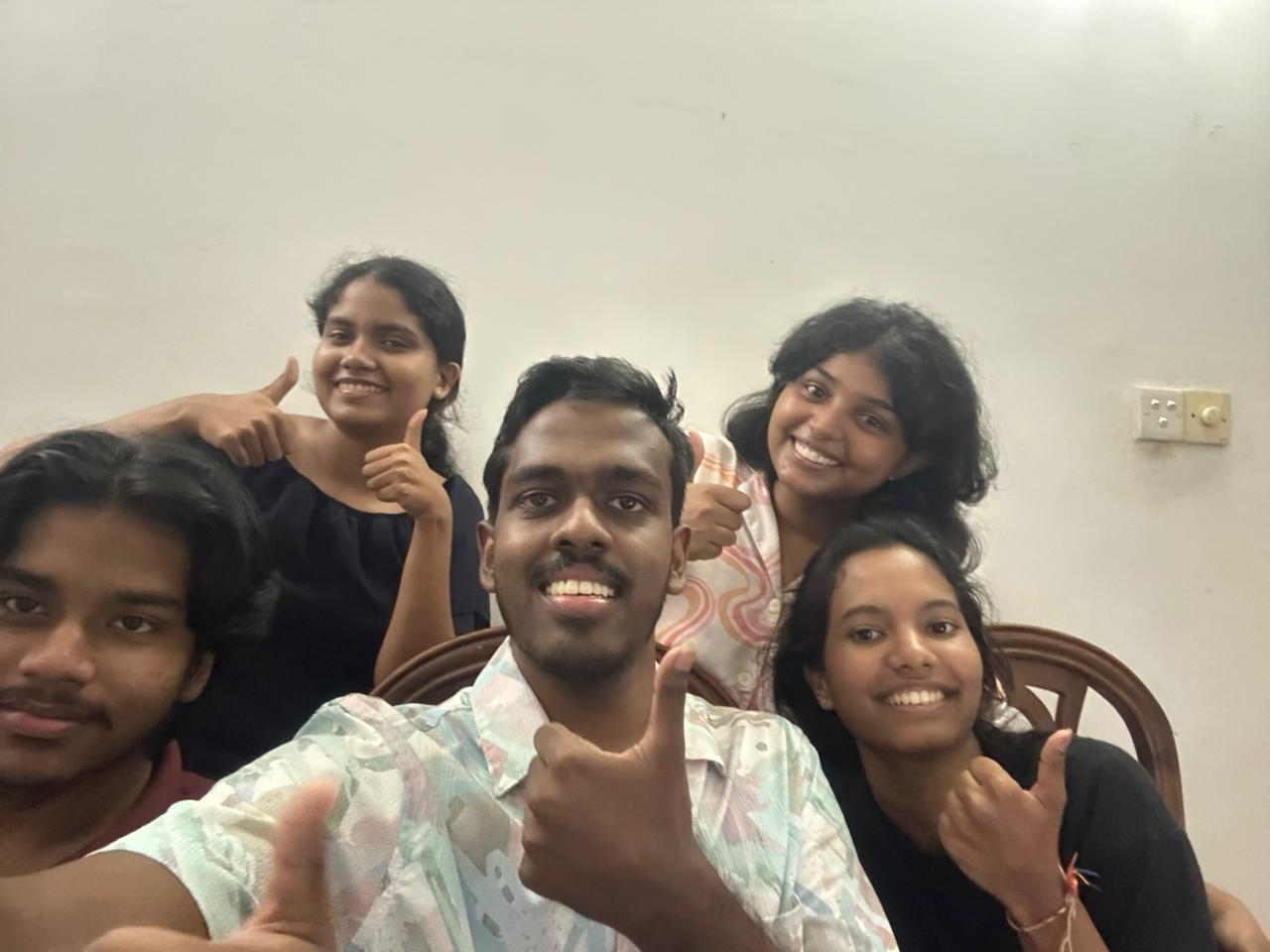
After everything — the stress, the chaos, the effort — we made it. Project Hazel wasn’t just a project anymore. It became a journey, a memory, and a story we’ll always carry.